

Few actors manage to shed one skin and grow another quite as convincingly as Hugh Laurie has done, moving from the acid-tongued diagnostician who made him a household name to a fresh incarnation as Dr Chance, a role that proves his gift for portraying doctors was never a one-trick affair.
Key points
- Hugh Laurie successfully transitions from his iconic role as Dr. House to a more restrained, psychological portrayal of forensic neuropsychiatrist Dr. Chance.
- Unlike the sardonic and abrasive nature of House, Dr. Chance relies on a watchful, subtle intelligence to explore the complex intersection of criminality and mental health.
- Laurie’s deliberate choice to take on this role demonstrates his versatility and commitment to avoiding typecasting after his massive success in medical drama.
- The series prioritizes nuanced character development and patient storytelling over the fast-paced, witty spectacles associated with traditional medical shows.
- Critical and audience response highlights Laurie’s ability to achieve total immersion in his new identity, effectively helping viewers move past his previous, famous persona.
- A strong supporting ensemble provides the necessary professional tension, ensuring that the show functions as a cohesive drama rather than a single-actor vehicle.
From diagnostic genius to forensic neuropsychiatrist: laurie's character transformation
The Contrasting Medical Worlds of Dr House and Dr Chance
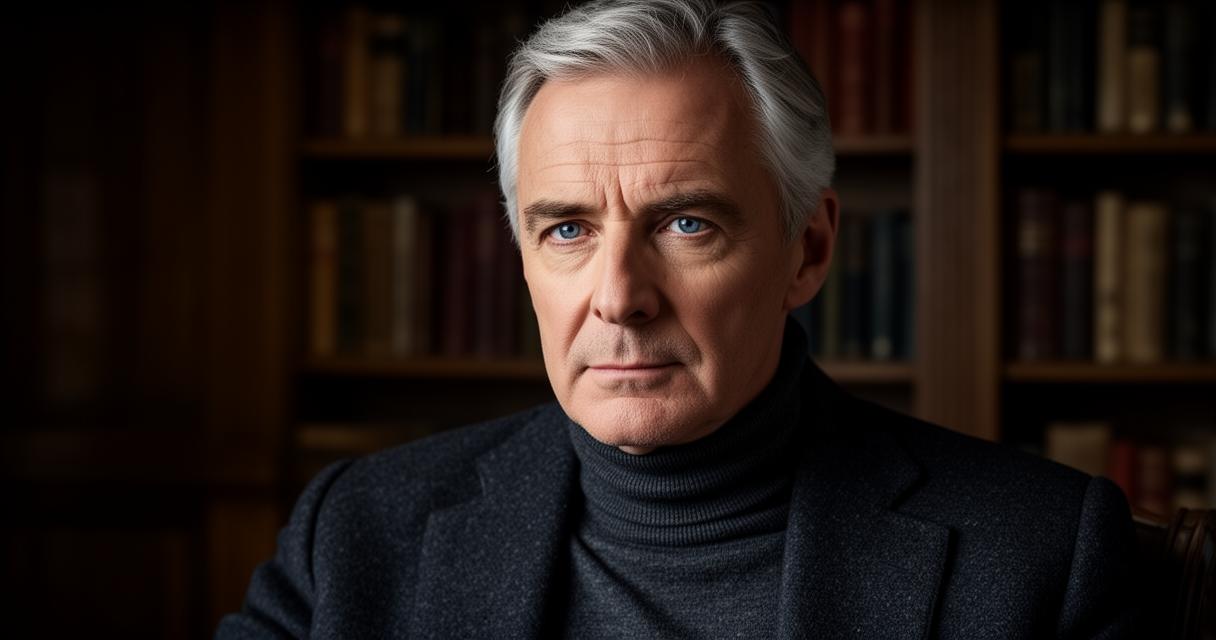
Anyone who spent years watching Laurie limp through hospital corridors as the misanthropic genius Dr House will find something quietly thrilling in seeing him step into an entirely different medical universe. Where House thrived on puzzle-solving within the chaotic rhythm of a general hospital, Dr Chance operates in a far more clinical and psychologically charged setting, working as a forensic neuropsychiatrist untangling the minds of patients whose conditions blur the line between illness and criminality. The shift is not merely cosmetic; it demands an entirely different register of intensity, trading sardonic wit for a more restrained, watchful intelligence. This new series has found a natural home on Netflix, where audiences searching for their next box-set obsession have discovered a show that rewards patience and close attention rather than the quick, cutting one-liners that defined House's world.
Why hugh laurie chose this radical departure from his iconic role
It would have been easy, and arguably lucrative, for Laurie to coast on variations of the same prickly-but-brilliant doctor archetype for the rest of his career. Instead, his choice to take on Dr Chance suggests a deliberate hunger to prove that his talents extend well beyond a single, beloved characterisation. There is a sense that Laurie, ever the thoughtful craftsman, wanted to explore the quieter corners of medical drama, favouring psychological nuance over spectacle. This decision has generated genuine buzz among longtime fans and critics alike, many of whom were curious whether lightning could strike twice within the same genre. The early signs suggest it has, with viewers praising the way Laurie brings a controlled gravity to Chance that feels worlds away from House's theatrical bravado, even as both characters share a stubborn commitment to uncovering the truth.
Hugh laurie's acting range: demonstrating versatility across two complex medical dramas
The british actor's nuanced approach to portraying flawed medical professionals
What ties these two performances together is Laurie's unerring ability to make flawed, often difficult men feel deeply human. Dr Chance is not a hero in any conventional sense; he carries his own doubts and moral ambiguities, much as House did, but the texture of his flaws is subtler, expressed through hesitation and careful observation rather than outright abrasiveness. Laurie's background as a classically trained performer, someone who has moved fluidly between comedy, drama, and even music throughout his career, gives him the tools to calibrate exactly how much vulnerability to reveal in any given scene. It is this precision, this refusal to overplay emotion, that makes both characters feel like real people rather than television archetypes, and it is precisely why fans of the original series continue to find something familiar yet excitingly new in his latest work.
Critical Reception and Audience Response to Laurie's Performance in the New Series
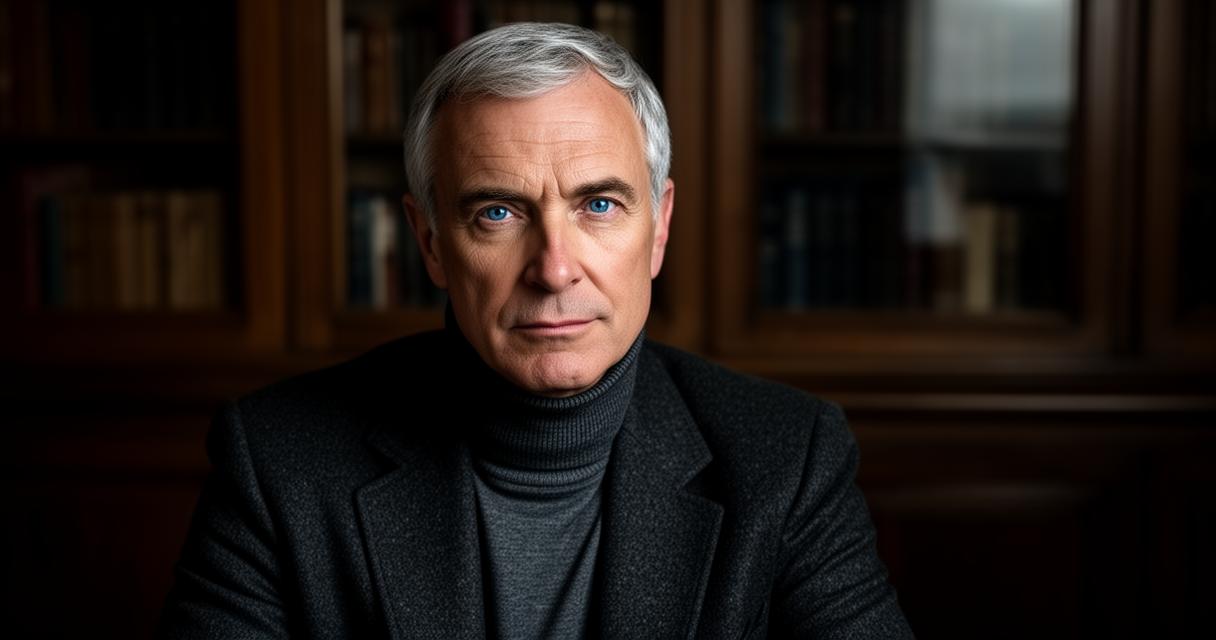
Reviews of the new show have been largely warm, with many critics singling out Laurie's performance as the anchor that holds the more intricate plotlines together. Audiences discussing the series across social platforms, including lively threads on Instagram and other corners of the internet, have noted how quickly they forgot they were watching the same actor who once shuffled around Princeton-Plainsboro Teaching Hospital. This is, in many ways, the highest compliment a performer can receive: total immersion in a new identity. There is also a growing appreciation for how the show paces its reveals, allowing Laurie's Chance to unfold gradually rather than announcing his brilliance in the first episode, a structural choice that mirrors the actor's own patient approach to character-building.
The Legacy of House and the Future of Chance: What This Means for Television Drama
How the supporting cast elevates laurie's latest medical character
No performance exists in isolation, and Dr Chance benefits enormously from a supporting ensemble that challenges and complements Laurie's central presence. The dynamic between Chance and his colleagues creates a believable professional environment, one where tension arises not from manufactured drama but from genuine clashes of expertise and ethics. This mirrors what made House so compelling in its heyday, where the interplay between the lead and his team was just as vital as any individual diagnosis. The chemistry on display suggests a production team keenly aware that even the most magnetic actor needs a strong ensemble to truly shine, and this awareness has clearly shaped casting decisions throughout the new series.
Viewer Expectations and Narrative Distinctions as the Series Unfolds
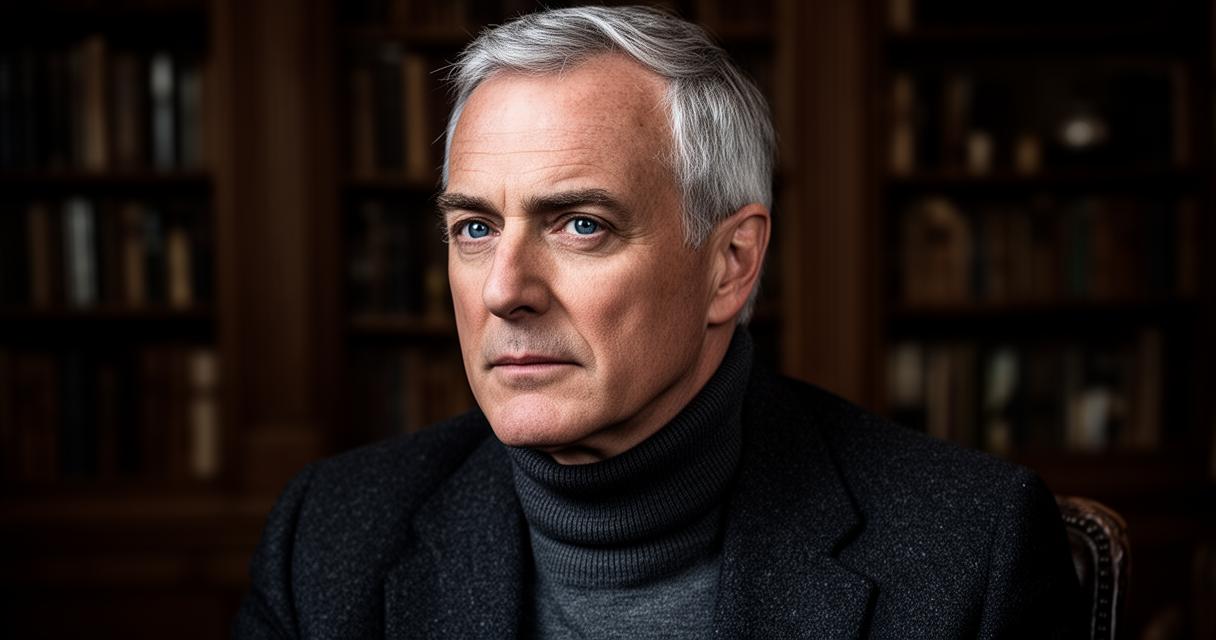
As the story continues to develop, audiences seem willing to let go of direct comparisons to House, embracing Dr Chance as its own distinct creation rather than a mere echo of past glories. This willingness speaks volumes about the trust Laurie has built with viewers over the years, trust earned through a career defined by versatility and a refusal to be typecast. Whether Chance will achieve the same cultural staying power as House remains to be seen, but the early trajectory suggests a series confident in its own identity. For newcomers and devoted fans alike, Hugh Laurie's latest venture stands as a promising addition to an already impressive body of work, one that reaffirms his standing as one of British television's most compelling and adaptable leading men.