

There's something rather wonderful happening in the world of photography at the moment, as more and more people are turning back to film in search of a slower, more considered way of capturing memories. Amid the sea of digital cameras and smartphone snaps, the humble reusable film camera is enjoying a well-deserved renaissance, offering a refreshing alternative for anyone keen to slow down and truly engage with their craft.
What to know
- Reusable film cameras offer a sustainable and eco-friendly alternative to disposable cameras by significantly reducing plastic waste.
- Investing in a reusable film camera is more cost-effective in the long term, as photographers only need to pay for film and processing after the initial purchase.
- The limited number of exposures per roll encourages photographers to practice discipline, intentional composition, and mindful shooting.
- Film photography provides a unique, timeless aesthetic with natural dynamic range and distinct textures that are difficult to replicate digitally.
- Shooting with film forces photographers to carefully consider light and framing, which ultimately sharpens their technical skills and compositional instincts.
- The tactile experience of using manual cameras and the deliberate pace of film photography help enthusiasts slow down and engage more deeply with their craft.
The Environmental and Economic Advantages of Reusable Film Cameras
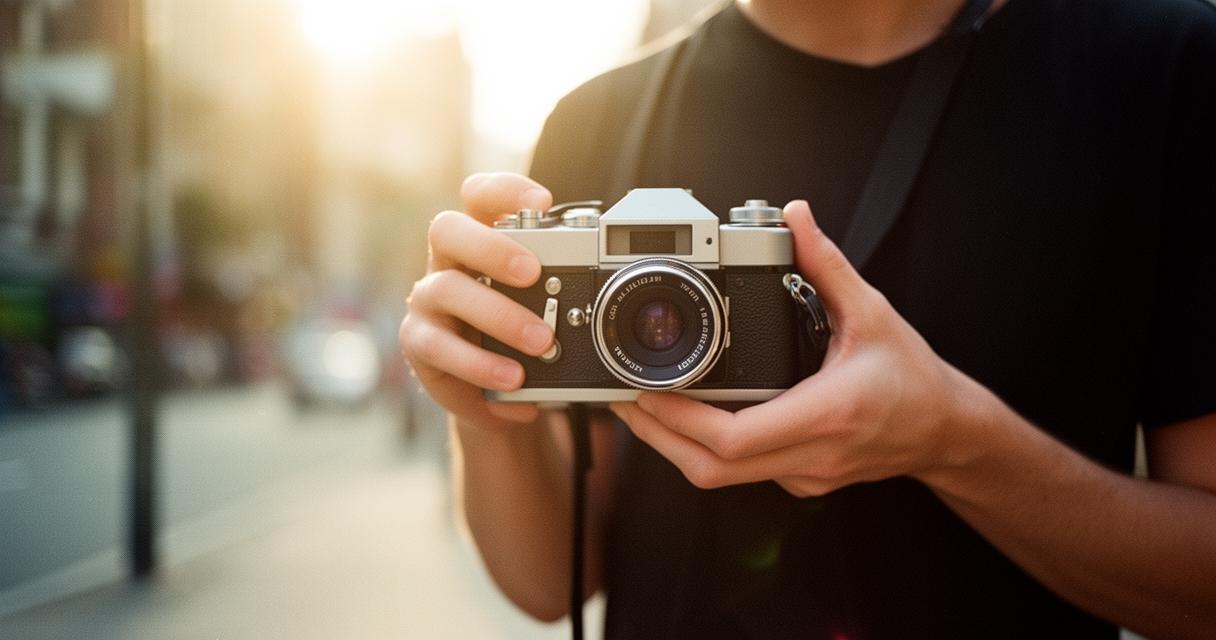
Choosing a reusable film camera over disposable alternatives is one of the simplest ways to make your photography habit a little kinder to the planet. Unlike single-use cameras that end up discarded after one roll, a reusable model can accompany you for years, meaning less waste and a smaller environmental footprint overall. It's a small shift in habit that adds up considerably when you consider how many disposable cameras are binned every year without a second thought.
Reducing your carbon footprint through sustainable photography practices
There's a growing awareness amongst photographers that sustainability matters just as much in this hobby as in any other part of life. Opting for reusable gear, alongside thoughtful choices around film storage and processing, helps reduce the demand for constantly manufacturing new plastic bodies and components. Shops such as the Parallax Photographic Coop in Brixton, London, have built a loyal following partly because they champion this ethos, stocking everything from classic 35mm and 120 film to Lomography and Holga cameras that are built to be used again and again rather than tossed aside.
Long-Term Savings and Cost-Effectiveness of Film Camera Investment
While it's true that film prices have crept up considerably in recent years, with some stock reportedly tripling in cost, the maths still often favours a reusable camera over repeatedly buying disposables. A decent entry-level model can be picked up for somewhere between ten and thirty pounds, and from that point onwards you're only paying for film and processing rather than an entirely new camera every time. Many retailers also make the initial outlay easier to swallow, offering free delivery on orders above a certain threshold and discounts of around 15% for newsletter sign-ups, which softens the blow of that first purchase nicely. Refurbished cameras are another sensible route for budget-conscious beginners, giving you reliable kit without the premium price tag attached to brand new equipment.
Developing your craft: how film photography enhances technical skills
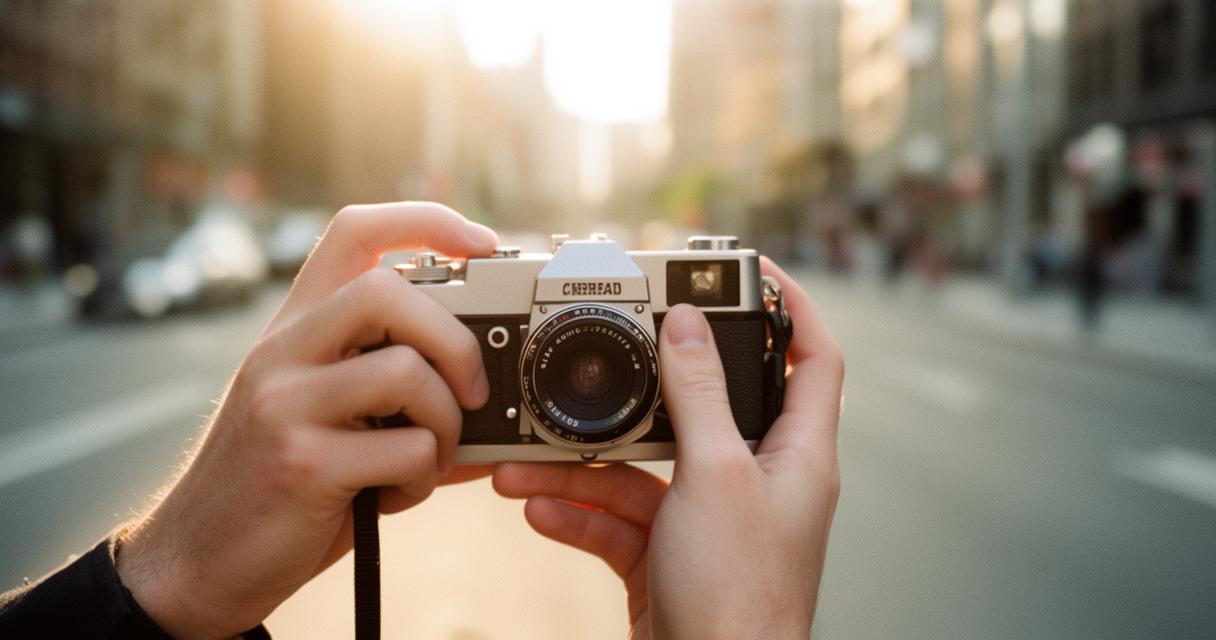
Beyond the financial and environmental appeal, there's a genuine argument that film photography makes you a better photographer, full stop. The limitations that come with a roll of film, whether that's twenty-four or thirty-six exposures, force a kind of discipline that digital shooting rarely demands. You can't simply fire off endless frames and sort it out later; every shot has to earn its place, and that changes how you think behind the lens.
The Distinctive Character and Timeless Aesthetic of Film Photography
There's an artistic quality to film that many photographers find difficult to replicate digitally, no matter how sophisticated the editing software becomes. The wider dynamic range often produces more natural-looking results, particularly in tricky lighting, and the grain and colour rendering give images a texture that feels timeless rather than clinical. Shooting in black and white or colour film, experimenting with alternative processes like cyanotype or pinhole photography, or simply choosing a reliable ISO 400 stock for everyday shooting all contribute to a look that digital sensors struggle to imitate convincingly. For beginners, this can initially feel like a steeper learning curve, since settings can't be adjusted mid-roll and there's no immediate preview to check your exposure, but that very challenge is often what makes the results feel so rewarding.
Cultivating intentional composition and mindful shooting techniques
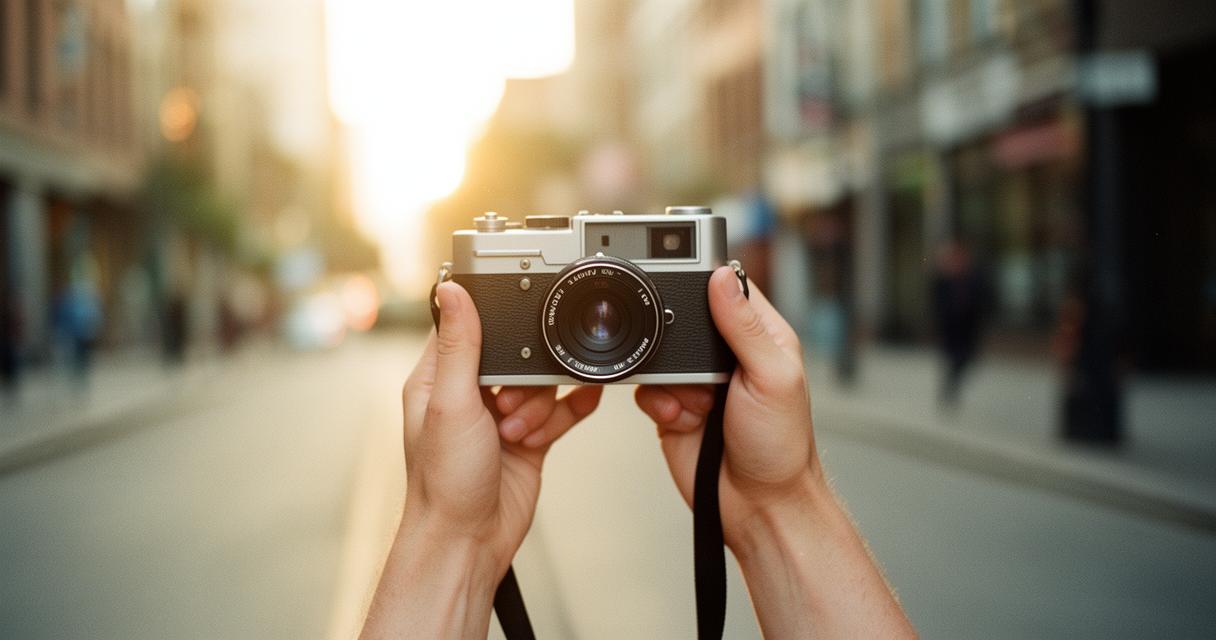
Because each frame carries a real cost, film encourages a far more mindful approach to composition. Photographers tend to pause, consider their framing, and think about light before pressing the shutter, rather than snapping first and reviewing afterwards. Simple guidance, such as keeping a distance of four to ten feet when using flash on a compact camera, staying centred within the frame, and holding the camera steady, becomes second nature fairly quickly and translates into genuinely stronger compositional instincts over time. This deliberate pace is precisely why so many photographers, even those who eventually lean towards digital work for its manipulation capabilities and editing flexibility, still credit film with sharpening their eye in the early stages.
Whether you're drawn in by the tactile joy of loading a roll of film, the nostalgic charm of darkroom chemistry, or simply the desire to slow down and shoot with greater intention, there's a strong case for keeping a reusable film camera in your kit bag. Suppliers like Parallax Photographic Coop, open Monday to Friday from ten until six and Saturdays from eleven until four, make it easy to find everything from cameras and accessories to zines and photobooks that support the wider film community, with straightforward delivery, responsive customer service, and payment options including Visa, Mastercard, and PayPal making the whole experience refreshingly simple from start to finish.